
Food Health and Safety in the Kitchen: Navigating Frozen Meat Handling in Australia
In fast-paced commercial kitchens across Australia, from cafés and pubs to hospitals and stadiums, frozen meat products are essential for consistency and efficiency. But with convenience comes responsibility. Poor handling of frozen patties, sliders or rissoles can quickly compromise food health and safety, putting customers and businesses at risk.
This guide outlines practical, inspection-ready steps for handling frozen meat products, from delivery through to service, helping your kitchen maintain high standards of hygiene and meet Australian kitchen safety rules.
Receiving Frozen Meat
Food safety starts the moment your delivery arrives.
Check that all frozen products are at -18°C or below, with intact packaging and clear labelling. Ice crystals or excess moisture can indicate thawing and refreezing, these items should be rejected.
Whether it’s Angus Beef Burger Patties or Gourmet Lamb Burger Patties, maintaining strict delivery standards protects both product quality and compliance.
Storage Best Practices
Proper storage is key to maintaining product integrity and ensuring kitchen safety.
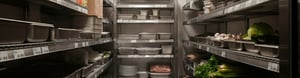
Keep freezers at -18°C or colder, avoid overcrowding, and store products in sealed, food-safe packaging.
Rotate stock using FIFO (first in, first out) so older items are used first. Always store raw products separately from ready-to-eat foods to prevent cross-contamination.
Thawing and Cooking Safely
Thawing is a critical control point in food health and safety.
Use refrigeration (≤5°C) or cook directly from frozen where appropriate, many products like Angel Bay are designed for this. Never thaw at room temperature.
Cook all Angel Bay to an internal temperature of at least 75°C, using a calibrated thermometer to ensure accuracy.
Kitchen Hygiene and Monitoring
Strong kitchen hygiene practices support every stage of safe food handling.
Core kitchen safety rules:
-
Wash hands thoroughly before and after handling raw meat
-
Sanitise surfaces and equipment regularly
-
Use colour-coded chopping boards and utensils
-
Store cleaning chemicals away from food areas
Ongoing staff training ensur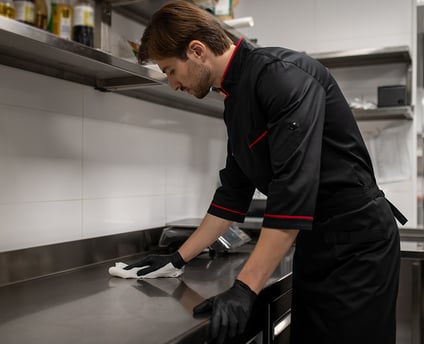 es everyone understands their role in maintaining kitchen safety.
Regular temperature checks and accurate record keeping help meet Australian food safety standards and keep your operation inspection ready.
To stay prepared:
-
Maintain clear documentation of procedures
-
Ensure staff follow standard operating procedures
-
Conduct regular internal audits
Key Takeaways:
-
Keep frozen products at -18°C or below
-
Check deliveries for temperature and packaging integrity
-
Thaw safely, never at room temperature
-
Cook to a minimum internal temperature of 75°C
-
Maintain strict kitchen hygiene and separation practices
Here is another interesting article to read: