

Tiny, tasty, and easy to eat with one hand during a busy lunch rush — sliders have been a staple of American food culture for more than a century. But where did these bite-sized burgers actually come from? Like most great food stories, there’s more than one claim to the crown.
One of the earliest known versions of the slider dates back to 1913 in Miamisburg, Ohio, after the devastating Great Flood swept through the Miami Valley. With much of the town underwater, the Red Cross set up a tent city for displaced families and relief workers. A local resident named Sherman “Cocky” Porter volunteered to help feed the community.
Porter needed something warm, filling, and easy to cook in large numbers. Using a family recipe, he began serving small hamburgers to flood victims and workers throughout the camp. The burgers quickly became a local favourite.
Once the floodwaters disappeared and life returned to normal, locals kept asking for the burgers. Porter eventually started selling them regularly, and what became known as the “Porter Burger” turned into a Miamisburg institution. Today, the famous Hamburger Wagon still serves these burgers and has even been recognised in the book Hamburger America as one of the top burger spots in the United States.
While the Porter Burger story is one of the earliest recorded examples of small hamburgers being sold commercially, White Castle is often credited with helping popularise the modern slider in the 1920s. According to one story, White Castle employees would slide the tiny burgers across the counter to customers, giving rise to the name “slider”.
Others say the term came from U.S. Navy sailors during World War II. The mini burgers were known for being greasy enough to “slide right down” in one or two bites while sailors ate on the move.
“SAILORS IN THE U.S. NAVY WOULD REFER TO MINI BURGERS AS “SLIDERS” BECAUSE OF THEIR EXTREME GREASINESS. IN JUST ONE OR TWO BITES THE BURGER WOULD JUST SLIDE RIGHT DOWN!” (INTEREXCHANGE, 2023).
No matter which story you believe, sliders quickly became a hit across America. Their small size made them perfect for eating on the go, sharing with mates, or mixing and matching different flavours in one meal.
These days, sliders have moved well beyond the classic diner burger. You’ll spot them everywhere from sports bars and pubs to café menus and high-end restaurants. Chefs around the world have added their own spin with bold flavours, fresh toppings, and regional twists.
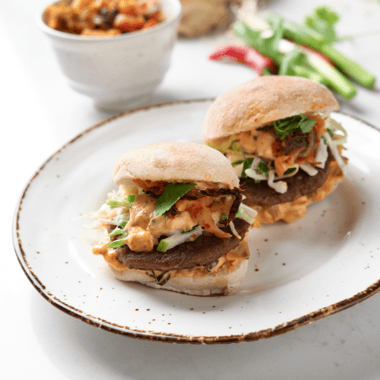
SOME POPULAR VARIATIONS OF THE SLIDER INCLUDE:
- Cheeseburger sliders: A classic beef patty topped with melted cheese, served on a mini bun.
- Pulled pork sliders: Slow-cooked pulled pork served on a slider bun, often topped with coleslaw or barbecue sauce.
- Veggie sliders: A meatless patty made from a combination of veggies and spices, served on a mini bun.
- Slider dogs: Mini-hot dogs served on slider buns, often topped with mustard, ketchup, and relish.
The slider has stood the test of time because it does exactly what good food should do — it’s simple, satisfying, and easy to enjoy anywhere. From flood relief camps in Ohio to packed pubs and burger bars around the world, the slider’s story is a reminder that some of the best food ideas start with feeding hungry people well.
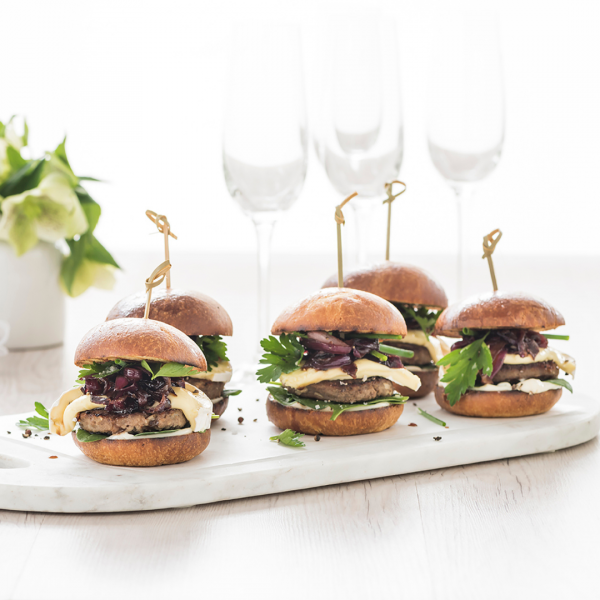
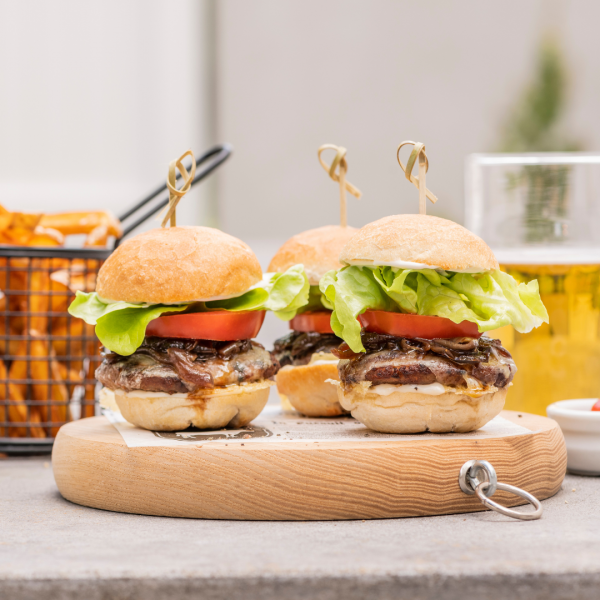
FIND OUT MORE ABOUT ANGEL BAYS SLIDERS:
REFERENCE LIST.
Gunther Toody's Diner. (2014). Great Moments in Burger History: The Slider. Retrieved from Gunther Toody's Diner: https://gunthertoodys.com/great-moments-burger-history-slider/
InterExchange. (2023). Hungry? Let's Talk About Sliders! Retrieved from InterExchange: https://www.interexchange.org/blog/international-participants/hungry-lets-talk-about-sliders/